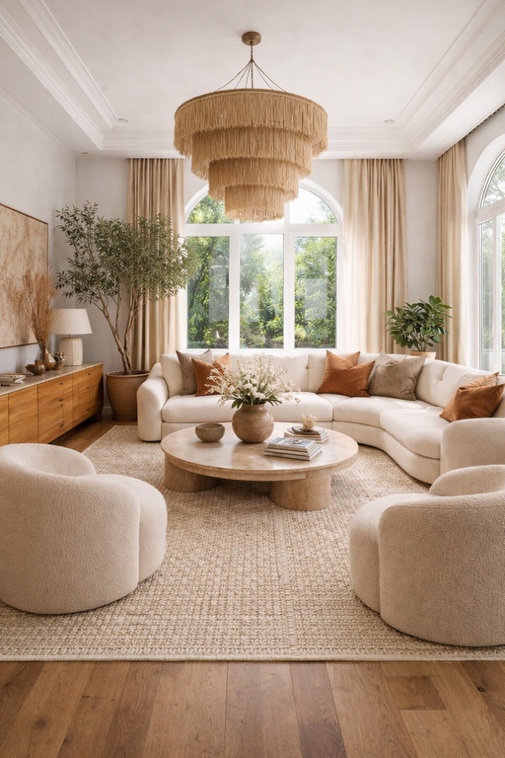
How to Choose the Right Flooring for Every Room in Your Home
Flooring is one of the largest visual surfaces in a home, but appearance is only part of the decision. The right floor must also match the way a room is used: how much foot traffic it receives, whether water or spills are likely, how much comfort you want underfoot, and how much maintenance fits your lifestyle.
That is why the best flooring for a bedroom may not be the best flooring for a kitchen, basement or busy entryway. A successful whole-home plan balances beauty, performance and continuity instead of forcing one material into every space.
This room-by-room flooring guide compares hardwood, carpet, luxury vinyl plank (LVP) and tile so you can make confident choices for your home in Rockville, Bethesda, Potomac, Chevy Chase, Gaithersburg and across the DMV.
Start With the Room, Not Just the Sample
A flooring sample may look beautiful in a showroom, but the right question is not simply, “Do I like this color?” Before choosing a product, consider how it will perform in the actual room.
- Traffic: Is the space quiet, moderately used or one of the busiest paths through the home?
- Moisture: Could the floor face splashes, tracked-in rain, humidity or below-grade moisture?
- Comfort and sound: Do you want warmth, softness or noise reduction?
- Children and pets: Will scratches, spills, pet hair or accidents influence the decision?
- Maintenance: How much routine cleaning and long-term care are you comfortable with?
- Light and color: How do the room’s natural light, cabinets, paint and furniture affect the flooring undertone?
- Subfloor and installation: Is the floor above grade, below grade, concrete or wood, and is it flat and dry enough for the chosen product?
Important: “Water-resistant” and “waterproof” are not interchangeable. Product construction, seams, installation method and the manufacturer’s warranty all matter. Always confirm the exact product specifications for the intended room.
Living Room: Hardwood for Warmth and Long-Term Character
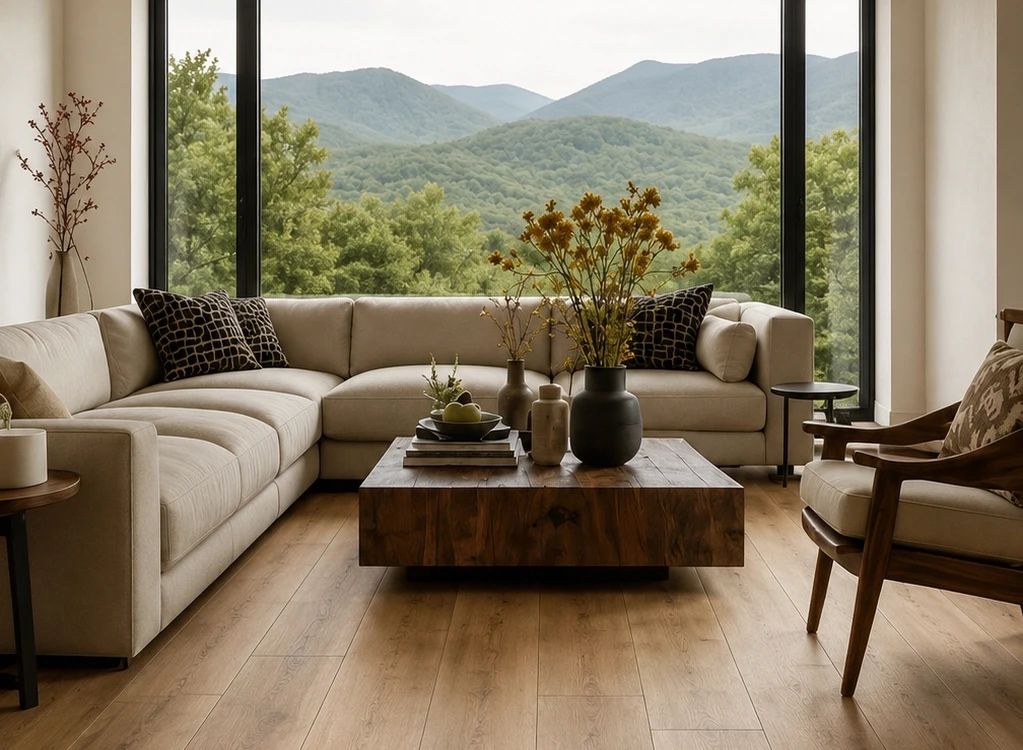
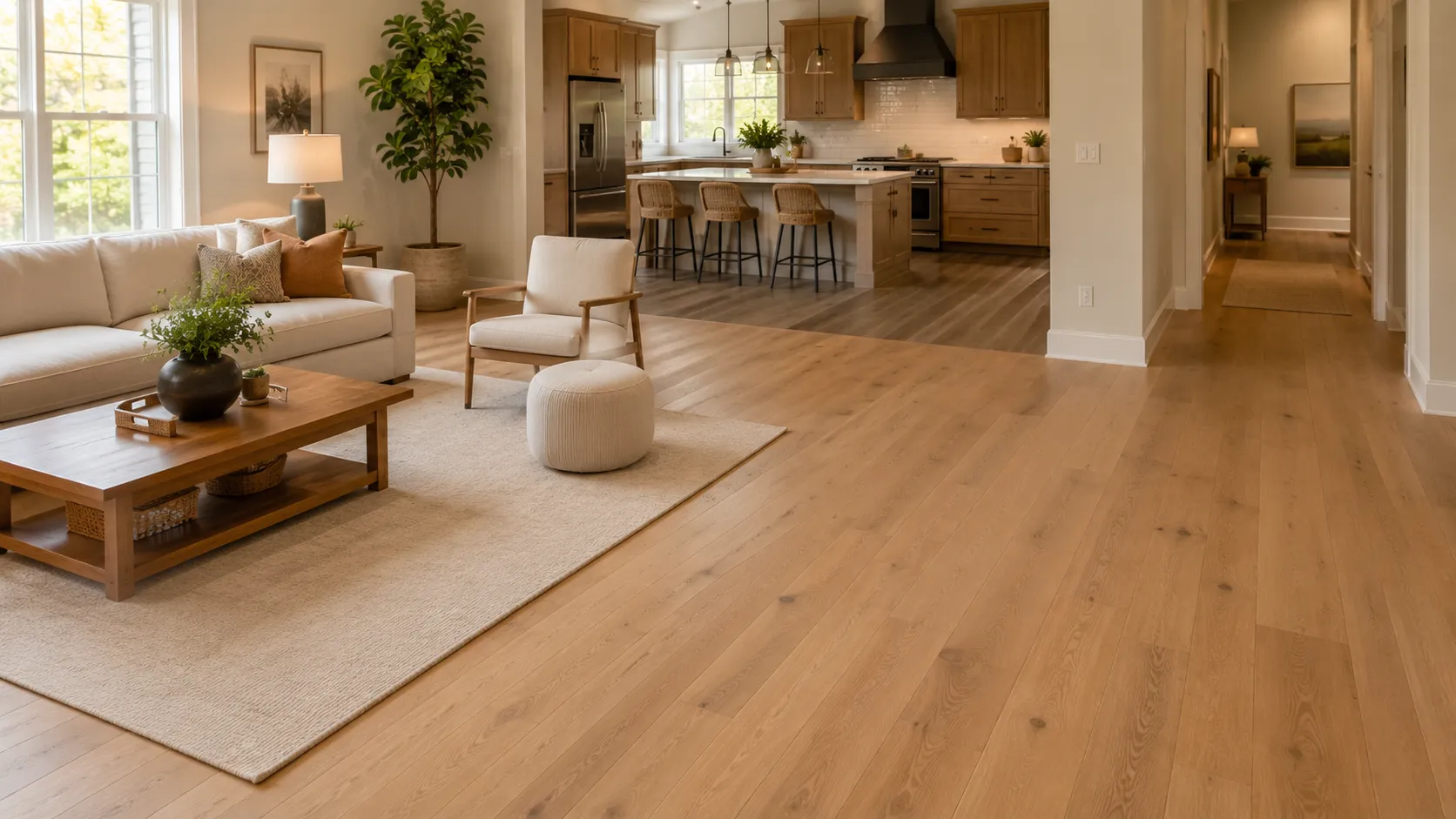
For many living rooms, dining rooms and open-plan main levels, hardwood is a strong first choice. It adds natural variation and warmth, works with styles from traditional to warm modern, and can visually connect several spaces. A matte or low-sheen finish is often easier to live with than a glossy surface because it shows fewer small marks and reflections.
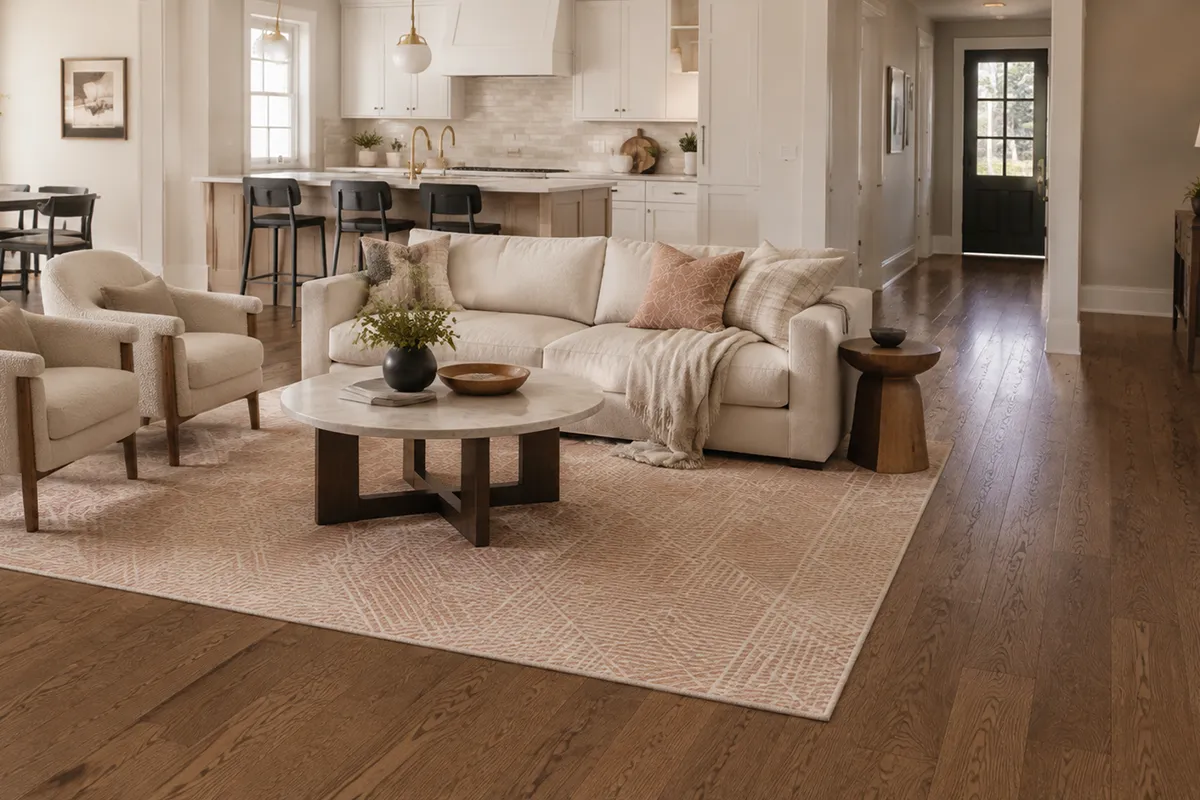
If the household includes pets or children, pay attention to wood species, finish, texture and color—not only the word “hardwood.” Mid-tone floors, visible grain and subtle texture tend to disguise everyday wear better than very dark, smooth or high-gloss floors. An area rug can add softness and protect key seating zones without hiding the floor completely.
- Best fit: Living rooms, dining rooms, hallways and open-plan main floors in appropriate dry conditions.
- Consider instead: Quality LVP when easy maintenance, moisture performance or budget is the higher priority.
- Watch for: Direct sun, uncontrolled humidity, standing water and finishes that show every scratch.
Kitchen: Performance LVP or Properly Selected Tile
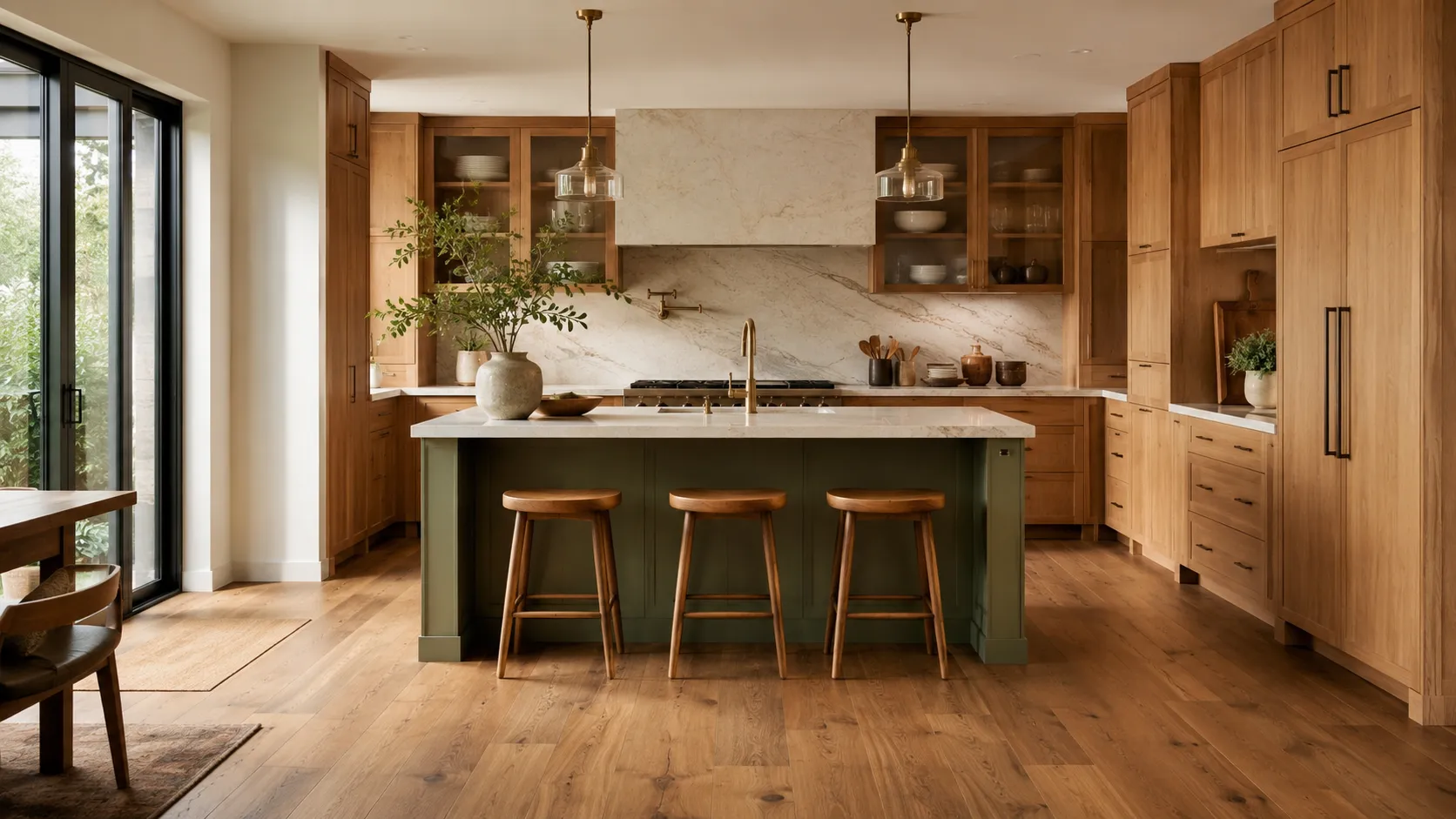
Kitchens need a floor that can handle frequent cleaning, dropped food, chair movement and everyday spills. For many households, wood-look LVP offers a comfortable balance: it can create the visual warmth of wood while providing resilient-flooring performance and simpler maintenance. It is especially useful when you want the kitchen to coordinate with nearby living areas without using natural wood in a higher-risk zone.
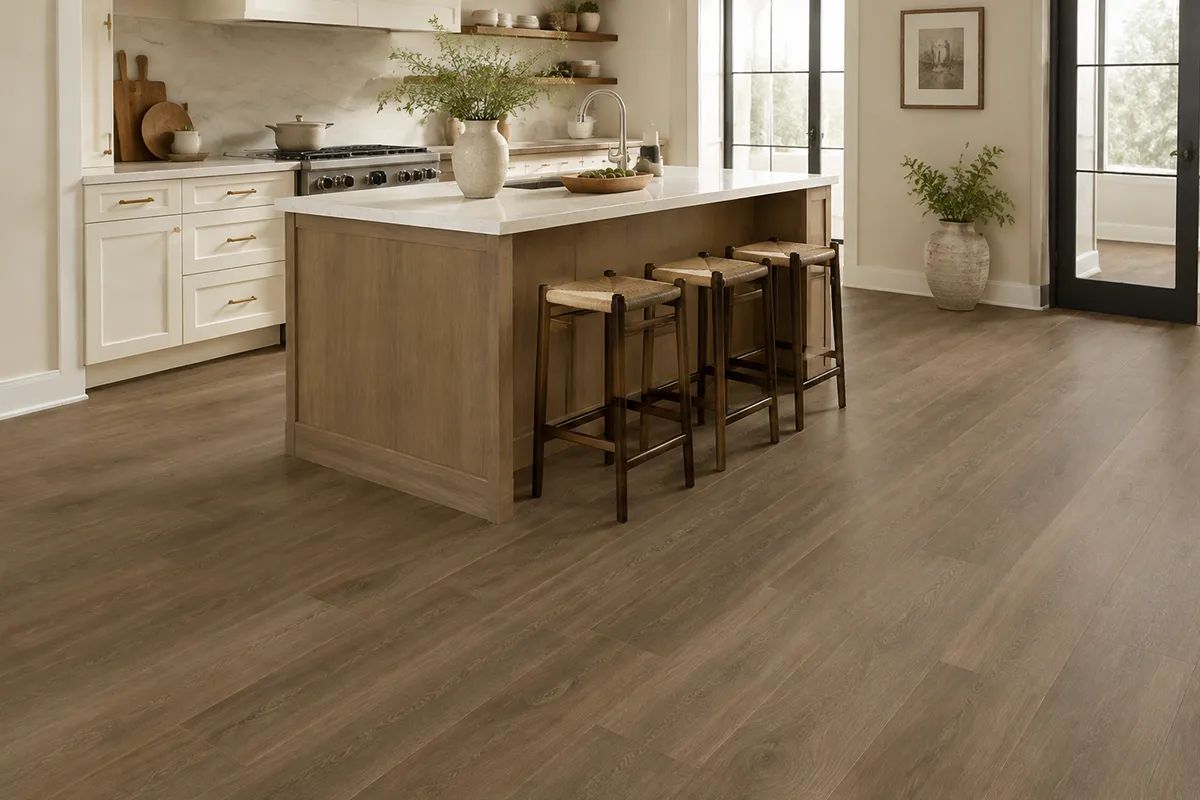
Porcelain or ceramic tile is another durable kitchen option. Porcelain tile is dense and has very low water absorption, but the exact tile still needs to be approved for floor use. Texture and slip classification matter, particularly near sinks and exterior doors. Tile also feels firmer underfoot, so comfort and grout maintenance should be part of the decision.
- Best fit: LVP for warmth and practical upkeep; tile for durability and a stone or ceramic look.
- Consider instead: Engineered wood only when the product and installation are appropriate and spills will be addressed quickly.
- Watch for: Assuming every vinyl product is waterproof or every decorative tile is suitable for a kitchen floor.
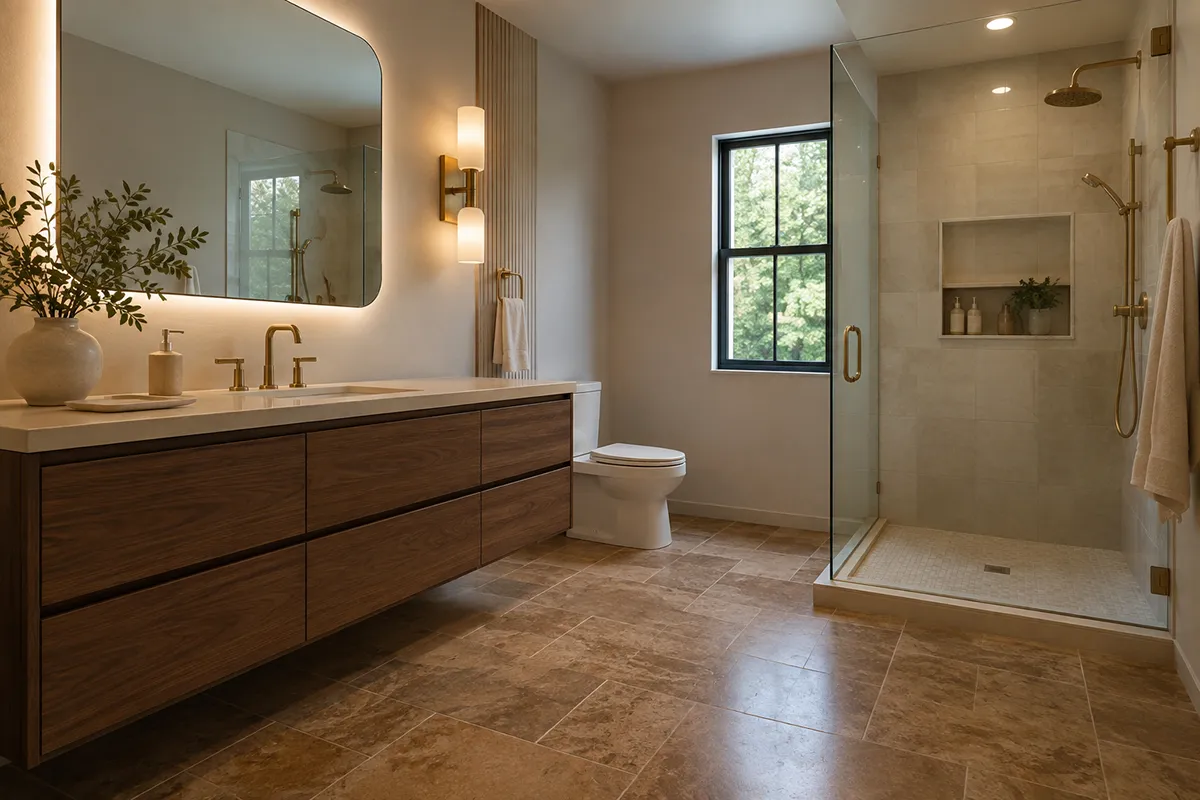
Bathroom: Porcelain or Ceramic Tile Designed for Wet Areas
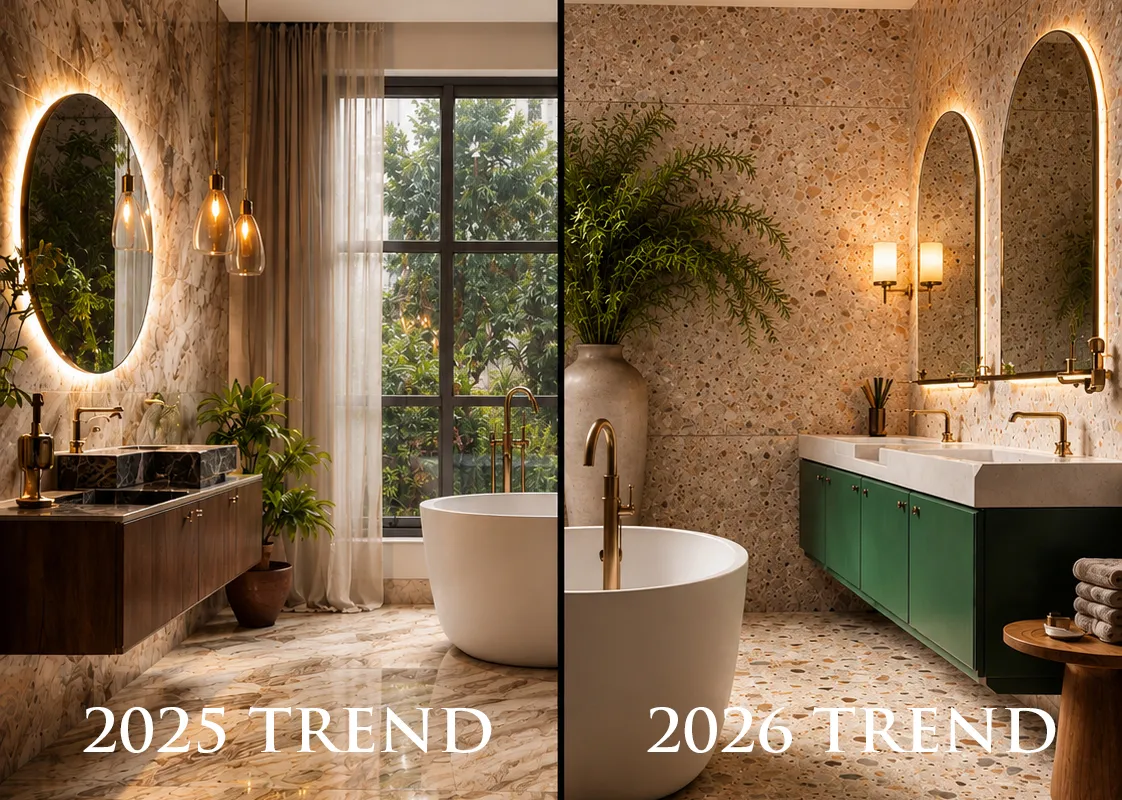
Bathrooms require a material chosen specifically for moisture exposure. Porcelain and ceramic tile are leading choices because they are available in formats, textures and styles suited to bathroom floors. Porcelain is classified as having water absorption of 0.5 percent or less, but low absorption alone does not determine whether a tile is appropriate for every wet application.
Your content goes here. Edit or remove this text inline or in the module Content settings. You can also style every aspect of this content in the module Design settings and even apply custom CSS to this text in the module Advanced settings.
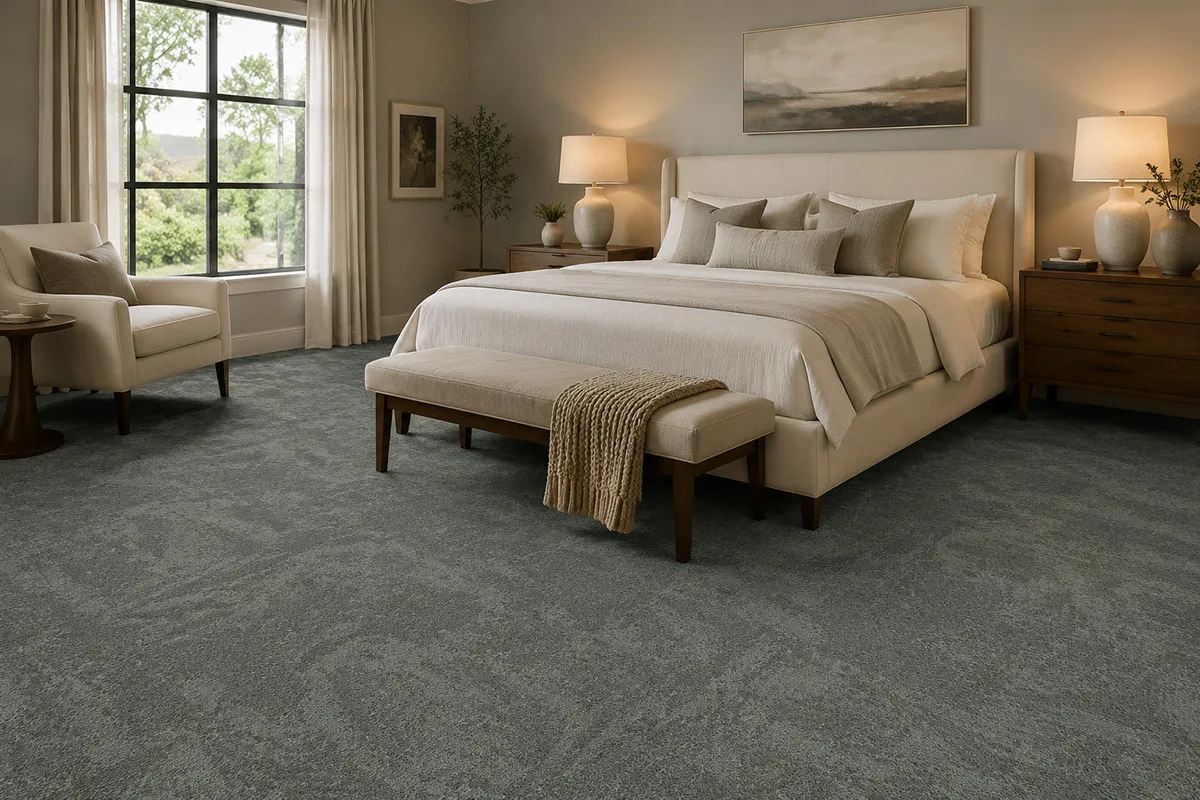
Bedroom: Carpet for Softness, Warmth and Quiet
Bedrooms usually receive lighter traffic than kitchens and entryways, allowing comfort to lead the decision. Carpet makes the room feel warmer and softer, reduces footstep noise and creates a comfortable surface when you get out of bed. It is also available in a wide range of fibers, constructions, patterns and colors, so it can be either a calm foundation or a design feature.
Your content goes here. Edit or remove this text inline or in the module Content settings. You can also style every aspect of this content in the module Design settings and even apply custom CSS to this text in the module Advanced settings.
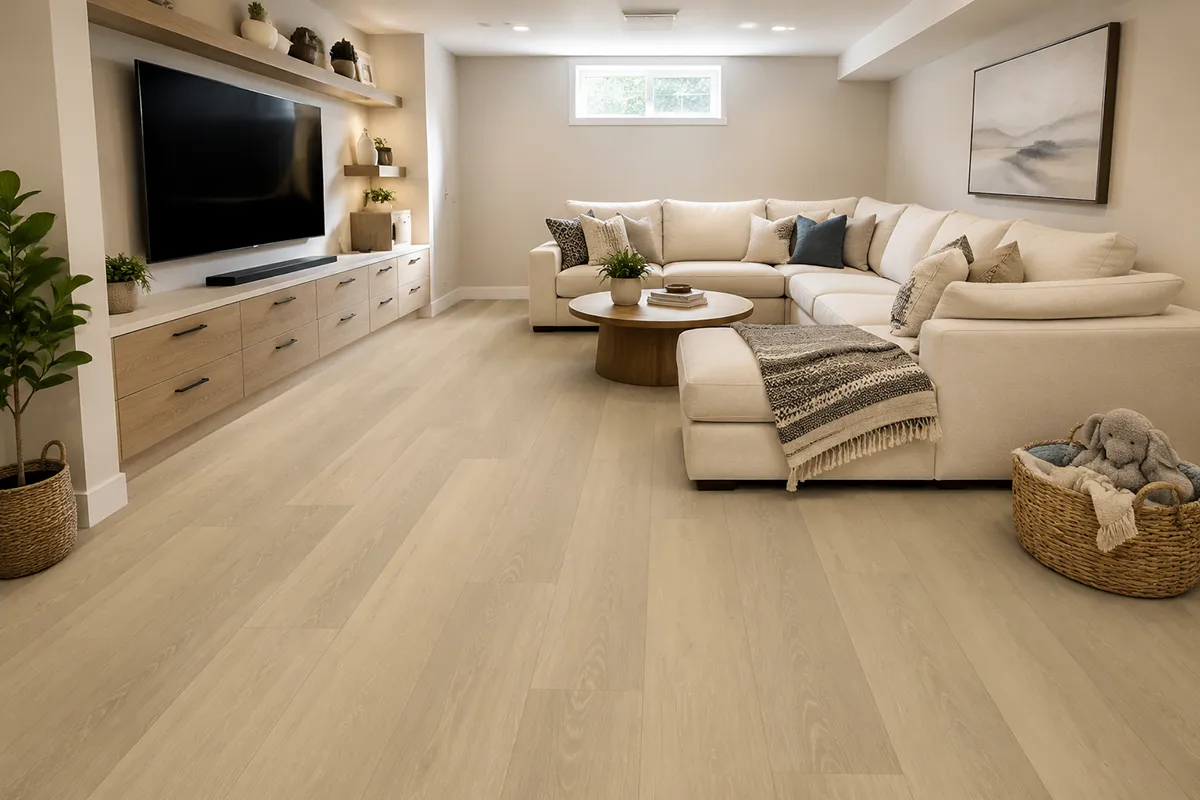
Basement: Moisture-Aware LVP
A finished basement can become a family room, playroom, gym, office or media space, but below-grade conditions make moisture evaluation essential. Quality rigid-core or flexible LVP is often considered because it can provide realistic wood visuals, comfortable resilient performance and easier care than many traditional materials.
Your content goes here. Edit or remove this text inline or in the module Content settings. You can also style every aspect of this content in the module Design settings and even apply custom CSS to this text in the module Advanced settings.
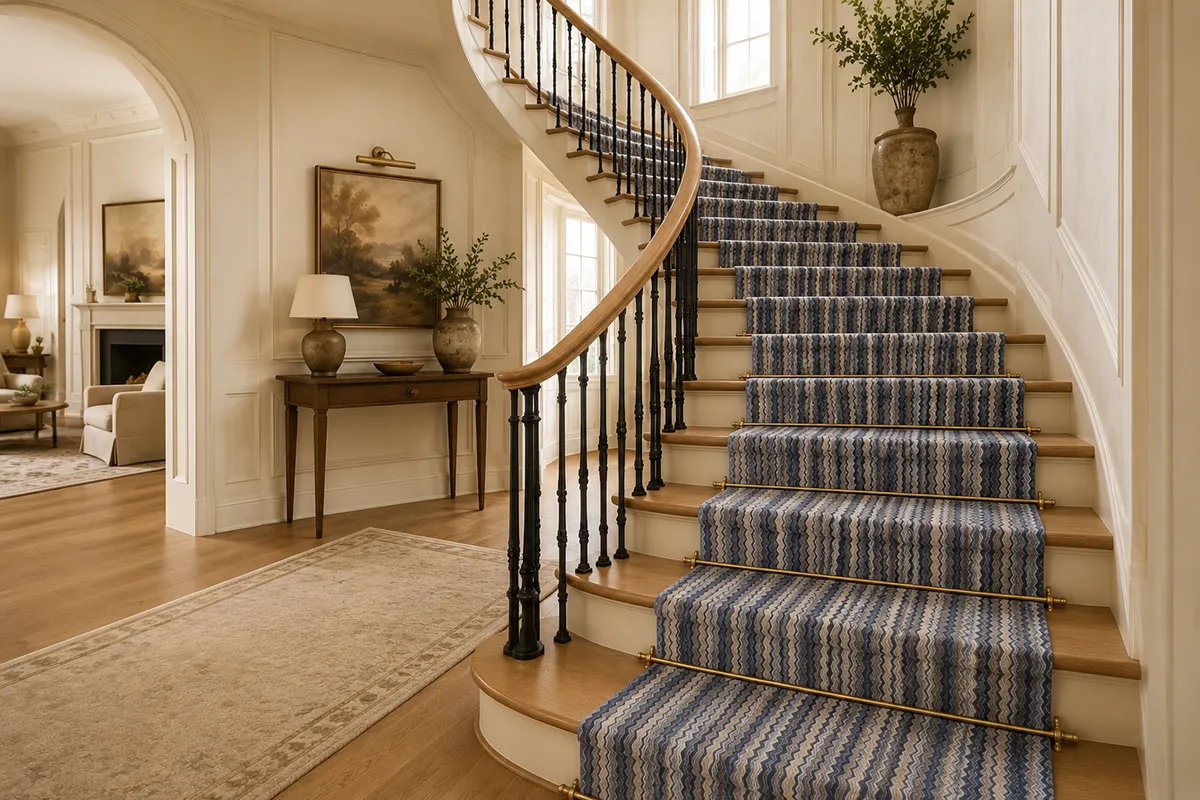
Stairs and Hallways: Carpet or a Properly Installed Runner
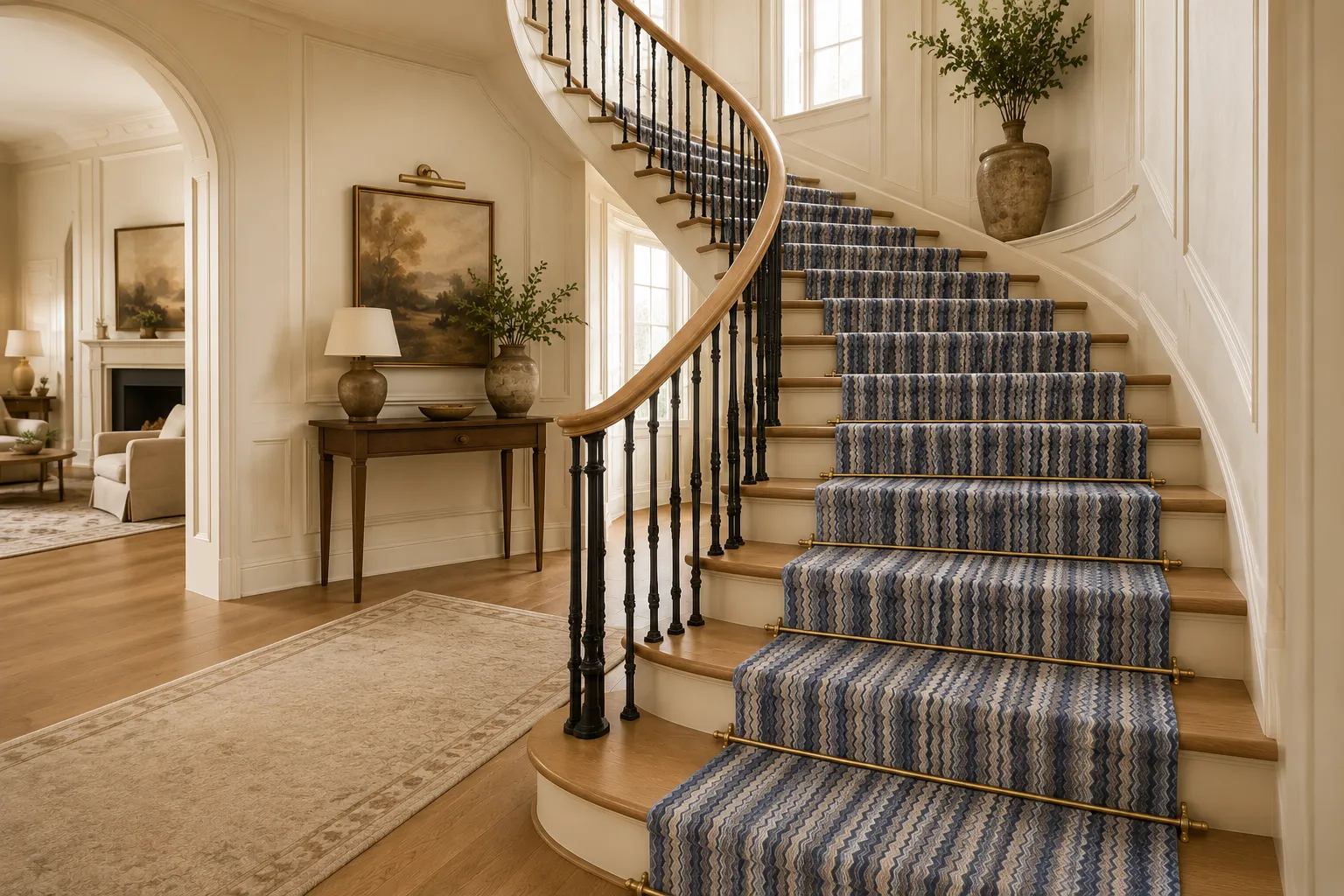
Stairs combine concentrated traffic with safety, comfort and sound concerns. Carpet can soften footsteps, reduce noise and cushion slips or falls. A stair runner also introduces pattern and color while leaving part of the wood stair visible.
Your content goes here. Edit or remove this text inline or in the module Content settings. You can also style every aspect of this content in the module Design settings and even apply custom CSS to this text in the module Advanced settings.
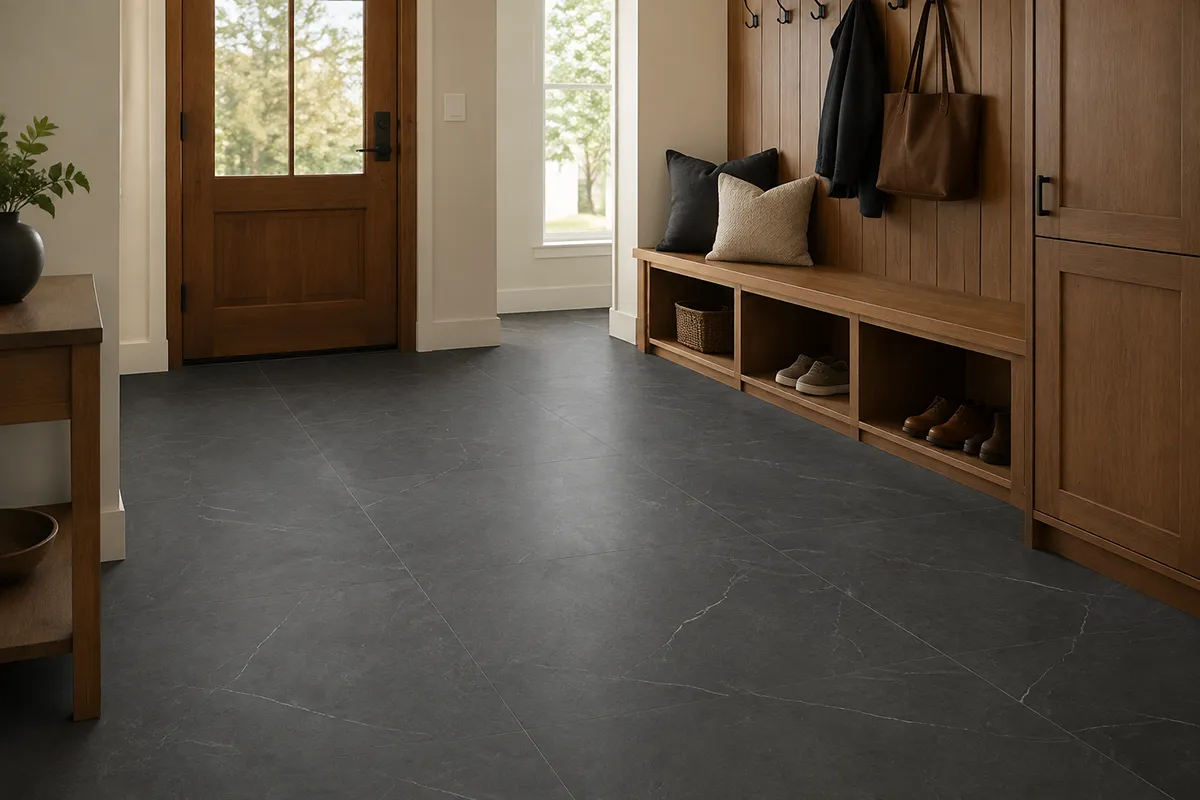
Entryway and Mudroom: Tile or High-Performance LVP
Entryways and mudrooms collect dirt, grit, rain and heavy traffic. Tile or performance LVP can make routine care easier, but the exact surface must be suitable for the expected moisture and wear. In an entry directly connected to the exterior, consider texture and traction as well as color.
Your content goes here. Edit or remove this text inline or in the module Content settings. You can also style every aspect of this content in the module Design settings and even apply custom CSS to this text in the module Advanced settings.
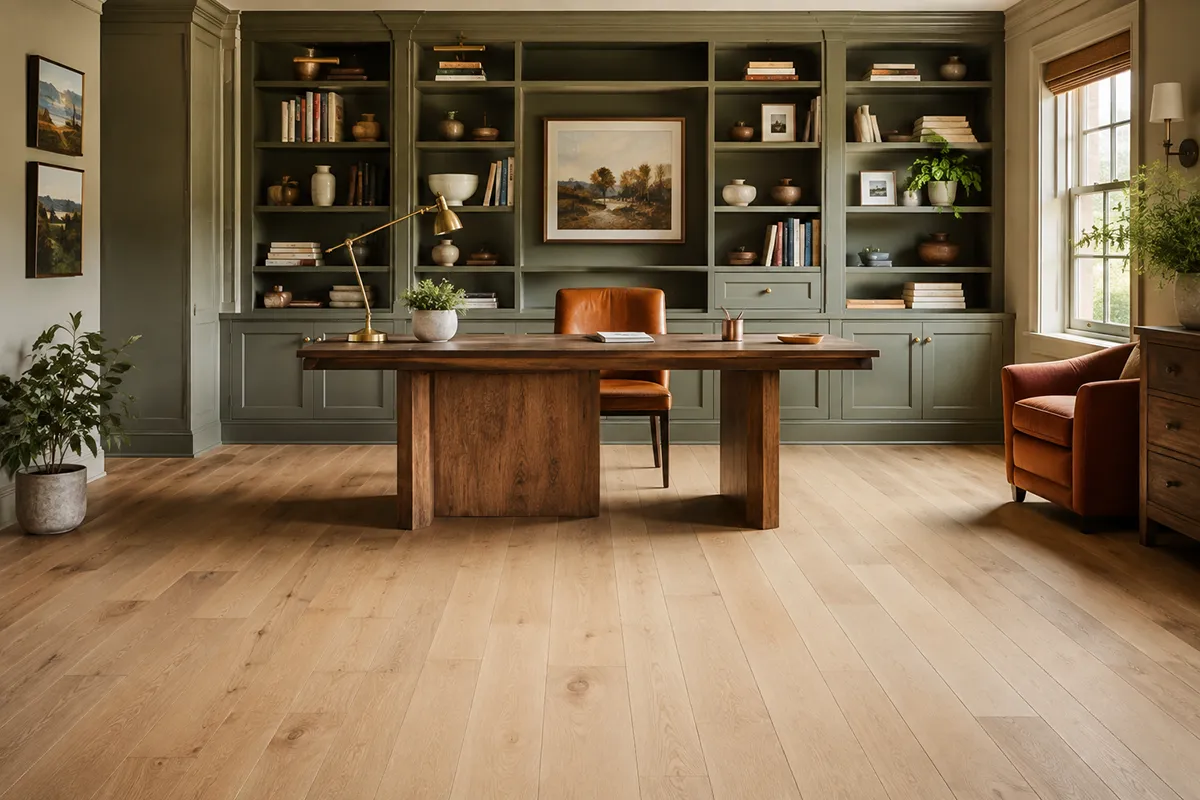
Home Office: Match the Floor to How You Work
The best home-office floor depends on whether the room needs easy chair movement, quiet acoustics or a more residential feel. Hardwood or LVP allows an office chair to roll more easily and coordinates well with adjacent spaces. Carpet or carpet tile absorbs sound and can make calls and focused work feel quieter.
Your content goes here. Edit or remove this text inline or in the module Content settings. You can also style every aspect of this content in the module Design settings and even apply custom CSS to this text in the module Advanced settings.
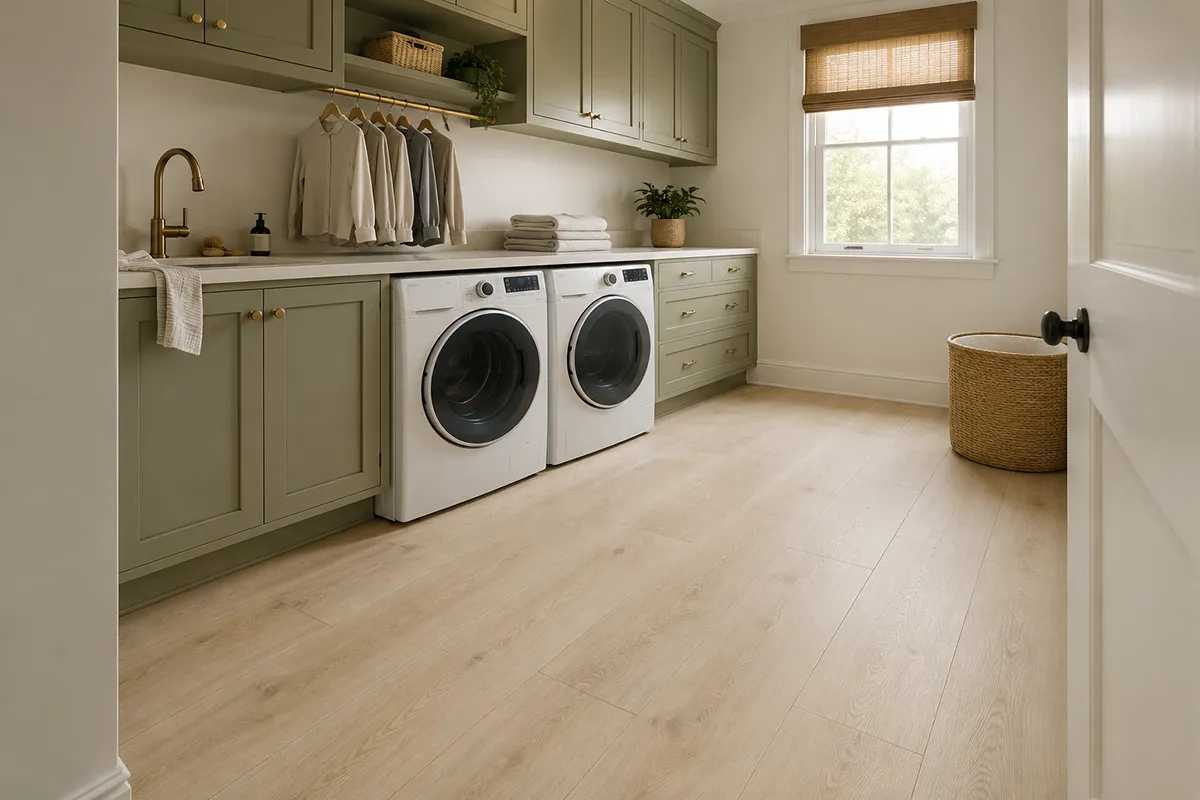
Laundry Room: Moisture-Tolerant, Easy-Care Flooring
Laundry rooms face splashes, detergent, vibration and the possibility of appliance leaks. Tile and appropriate resilient flooring are common choices because they are easier to clean and can be specified for moisture-prone settings. The floor should be installed over a sound, flat substrate, with transitions planned around adjacent rooms.
Your content goes here. Edit or remove this text inline or in the module Content settings. You can also style every aspect of this content in the module Design settings and even apply custom CSS to this text in the module Advanced settings.
Quick Room-by-Room Comparison
|
Room |
Strong starting point |
Main reason |
Key check |
|
Living / Dining |
Hardwood |
Natural warmth and continuity |
Finish, traffic, humidity |
|
Kitchen |
LVP or tile |
Maintenance and spill performance |
Exact warranty and slip rating |
|
Bathroom |
Porcelain / ceramic tile |
Wet-area suitability |
Floor rating and traction |
|
Bedroom |
Carpet |
Softness, warmth and quiet |
Fiber, construction and cushion |
|
Basement |
LVP |
Below-grade practicality |
Moisture and subfloor testing |
|
Stairs |
Carpet / runner |
Comfort, noise and safety |
Stair suitability and pattern repeat |
|
Entry / Mudroom |
Tile or performance LVP |
Traffic and easier cleaning |
Traction and tracked-in moisture |
|
Home Office |
Hardwood, LVP or low-pile carpet |
Chair movement or acoustics |
Caster compatibility |
|
Laundry |
Tile or resilient flooring |
Moisture-aware maintenance |
Leaks, substrate and installation |
How to Keep Different Floors Visually Connected
Using more than one flooring type does not have to make a home feel chopped up. The goal is coordination, not exact matching.
- Repeat warm or cool undertones across adjacent materials.
- Limit unnecessary transitions, especially in open sight lines.
- Compare full-size samples beside cabinets, countertops, rugs and paint.
- Check samples in morning daylight, evening light and the room’s artificial lighting.
- Plan transition locations before ordering so changes happen at natural architectural boundaries.
- Use a consistent level of visual movement: a strongly patterned floor usually needs quieter neighboring materials.
Common Flooring Mistakes to Avoid
- Choosing color before performance: A beautiful floor is disappointing if it is not suitable for the room.
- Assuming every product in a category is equal: Construction, finish, wear layer, fiber, installation and warranty vary widely.
- Ignoring the subfloor: Flatness, moisture and preparation can affect appearance, performance and warranty.
- Ordering from a tiny sample: Color variation, plank movement and carpet pattern scale become clearer in larger samples.
- Forgetting transitions and stairs: These details influence both the design and the final cost.
- Using “pet-proof” as a blanket promise: Look for specific stain, soil, scratch and pet-warranty language for the exact product.
- Selecting each room separately: Materials should be viewed together so undertones and transitions feel intentional
Frequently Asked Questions
Make the Final Decision With the Materials Together
The best flooring plan is built around the way you live and the conditions of each room. Hardwood can bring natural character to living spaces, carpet can add comfort and quiet to bedrooms and stairs, LVP can offer practical performance in kitchens and basements, and tile can provide a durable solution for bathrooms and busy entries. The right combination should feel connected, perform appropriately and support the home for years—not simply follow a trend.
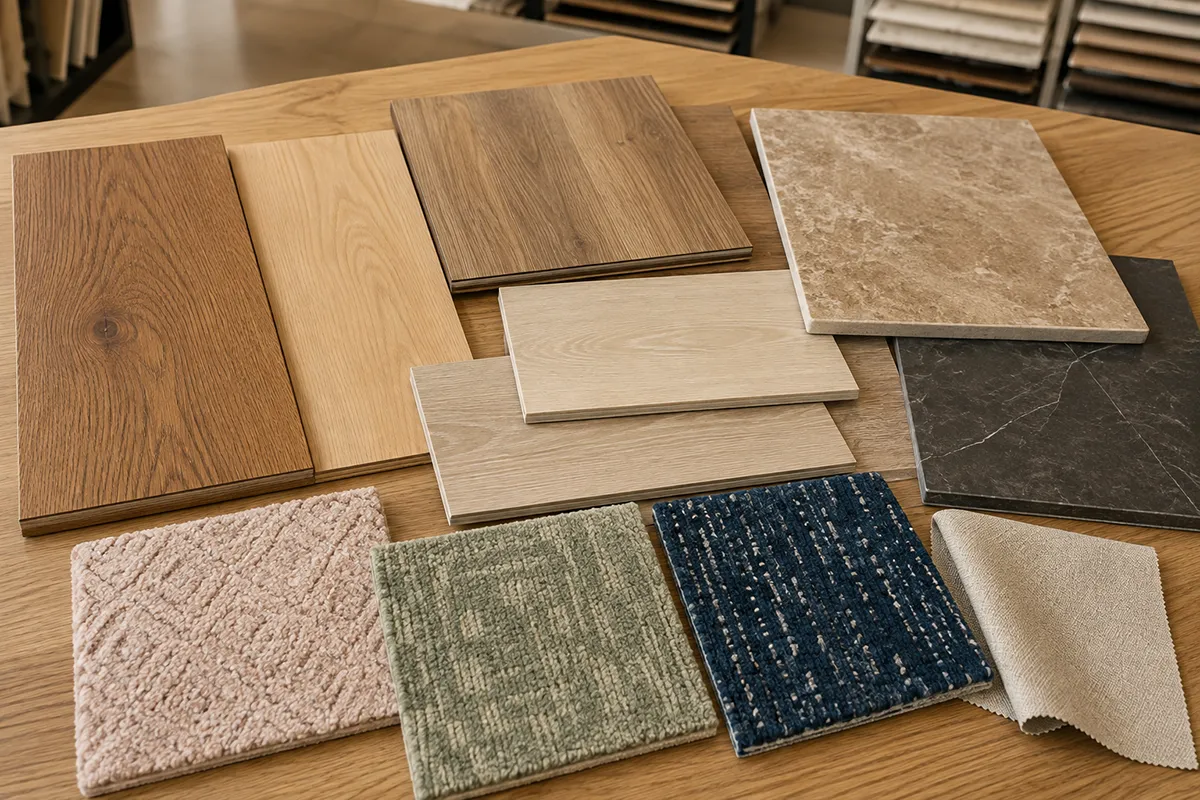
At Karpet King Design Center, you can compare hardwood, luxury vinyl plank, carpet, custom rugs and tile in one Rockville showroom. Seeing materials together at a larger scale makes it easier to coordinate undertones, textures, transitions and the practical needs of every room.
Visit our Rockville showroom:
Karpet King Design Center
751 East Gude Drive
Rockville, MD 20850
Phone: (301) 770-4110
Email: [email protected]
. Serving Rockville, Bethesda, Potomac, Chevy Chase, Gaithersburg, Washington, DC, Northern Virginia and surrounding communities.
Related Blogs